


close
Choose Your Site
Global
Social Media

Views: 0 Author: Site Editor Publish Time: 2026-01-06 Origin: Site


Have you ever wondered how industrial systems maintain optimal airflow while minimizing energy consumption? The answer lies in the often-overlooked centrifugal fan. In this article, we’ll explore the powerful advantages of centrifugal fans, including their energy efficiency, pressure capabilities, and durability. You’ll gain insights into how these fans can transform both industrial and commercial systems, offering long-term savings and improved air quality.
Centrifugal fans are known for their high energy efficiency, often achieving static efficiencies of up to 84%. Their design allows for constant airflow, which is ideal for systems that demand steady operation, such as HVAC units and industrial ventilation systems. With high efficiency, these fans reduce energy consumption, offering long-term cost savings while maintaining optimal performance.
One of the key advantages of centrifugal fans is their ability to generate high static pressure. This capability makes them ideal for applications that involve complex ductwork or filters that resist airflow. They are often used in systems like dust collection or air filtration, where overcoming resistance is necessary. Unlike axial fans, centrifugal fans handle high-pressure scenarios efficiently, ensuring that the airflow remains constant even under challenging conditions.
Centrifugal fans can manage various airflow demands, making them highly versatile. By adjusting the fan speed or impeller design, centrifugal fans can deliver different air volumes suited to specific applications. This flexibility allows these fans to be used across various environments, from residential buildings to large industrial settings, with their performance easily tailored to meet system requirements.
Centrifugal fans are designed to withstand tough conditions, making them suitable for environments where high temperatures, dust, and corrosive materials are common. The use of corrosion-resistant materials, such as stainless steel or specially coated alloys, ensures these fans remain operational for extended periods without frequent repairs. Their ability to endure challenging environments contributes to their long lifespan.
One of the significant benefits of centrifugal fans is their low maintenance requirements. Certain models feature self-cleaning mechanisms, reducing the need for manual intervention. Regular cleaning and inspection help maintain efficiency, but the overall maintenance cost is significantly lower compared to other fan types. This makes them ideal for industrial settings, where downtime and maintenance costs must be minimized.
Centrifugal fans are designed for continuous operation without significant wear. Their robust construction ensures they can operate for extended periods, making them reliable for industries that require 24/7 airflow, such as manufacturing plants or HVAC systems in large buildings. Their ability to run continuously without compromising performance adds to their value in demanding environments.
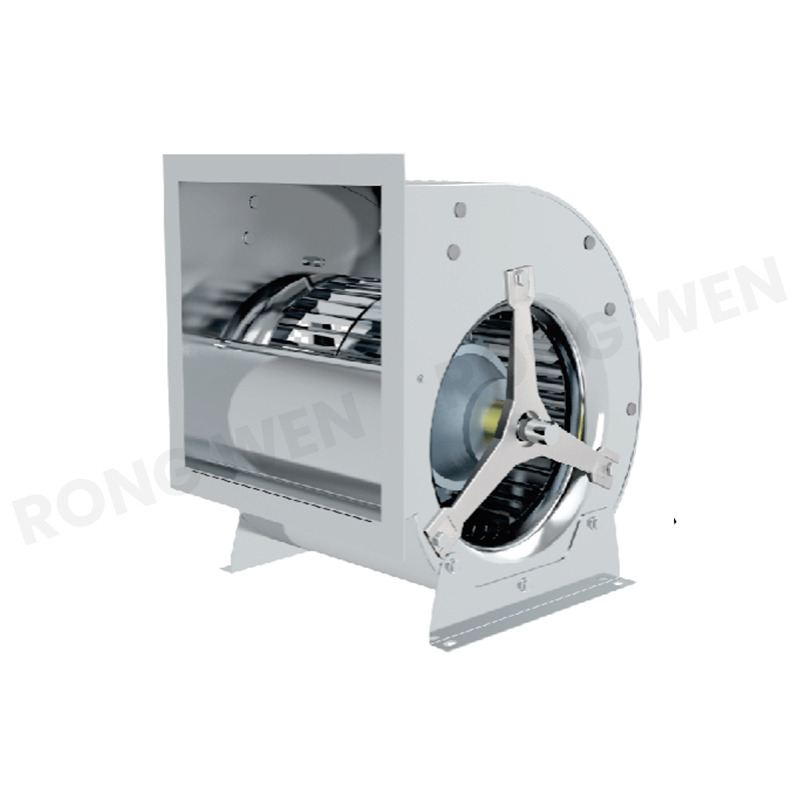
Centrifugal fans excel in overcoming ductwork resistance, making them suitable for applications where airflow is obstructed by long duct systems or filters. Their high static pressure allows them to maintain airflow despite such resistance. This capability is particularly beneficial in industrial ventilation systems and air pollution control, where overcoming resistance is crucial for maintaining air quality.
This table summarizes the benefits and technical requirements of centrifugal fans across different industrial applications. It helps engineers make informed decisions based on the specific needs of various environments.
| Industry Application | Suitable Fan Type | Technical Requirements | Key Benefits | Key Considerations |
|---|---|---|---|---|
| HVAC Systems | Backward-curved centrifugal fan | High efficiency, low noise, supports variable speed drives | High efficiency, low noise, suitable for small spaces | Ensure correct fan sizing to avoid energy wastage |
| Industrial Air Purification | Radial blade centrifugal fan | Adjustable speed, handles high-pressure environments | High pressure generation, suitable for particulate collection | Ensure corrosion-resistant materials when operating in humid or high-temperature environments |
| Food Processing | Airfoil centrifugal fan | Corrosion-resistant, handles high-temperature moisture, maintains airflow | Boosts production efficiency, keeps air fresh, prevents mold growth | Choose appropriate corrosion-resistant materials when handling chemical-laden food products |
| Chemical Plants | Backward-curved centrifugal fan | High efficiency, chemical corrosion resistance | Handles high temperature and hazardous gases, prevents gas leakage | Ensure explosion-proof design and regularly check blades for dust accumulation |
| Agricultural Ventilation | Axial centrifugal fan | High airflow, ideal for large-scale air circulation and ventilation | Provides continuous airflow, maintains a stable environment for crop growth | Select the right airflow to avoid excessive ventilation that leads to energy waste |
Tip: Selecting the right centrifugal fan type and specifications is crucial for different industrial applications. Adjust fan designs based on actual needs for optimal performance.
Centrifugal fans are customizable to meet specific operational needs. Whether it’s adjusting for high-pressure environments or fine-tuning airflow for particular systems, these fans can be engineered to meet unique requirements. This customization ensures that centrifugal fans perform efficiently in specialized applications, such as laboratories, hospitals, and power plants.
Centrifugal fans typically produce less noise than axial fans, even at the same airflow rate. The design of centrifugal fans, which includes curved blades and optimized housings, reduces noise levels by minimizing turbulence and vibration. This makes centrifugal fans ideal for use in noise-sensitive environments, such as hospitals, offices, and libraries, where quiet operation is crucial for maintaining a comfortable atmosphere.
Centrifugal fans help reduce operational costs through their high efficiency and low energy consumption. The constant airflow provided by these fans ensures that air systems, particularly in large buildings or industrial applications, run smoothly without unnecessary energy expenditure. Over time, businesses can experience significant savings on electricity bills, especially when centrifugal fans are integrated into energy-saving HVAC systems.
Centrifugal fans are often integrated with HVAC and other ventilation systems to optimize airflow and pressure distribution. This integration helps enhance the overall efficiency of heating and cooling systems by reducing the load on the system, leading to lower energy costs and a more sustainable operation. Their ability to adapt to various system demands makes them a crucial component in large-scale environmental control systems.
Centrifugal fans are highly effective in handling dusty or humid air, ensuring continuous operation in environments where other fans might fail. Their ability to work with a variety of particulate-laden air makes them essential in industries like agriculture, mining, and woodworking. They help maintain clean air and prevent the accumulation of harmful particles, improving the overall air quality in the workplace.
The following table highlights the low maintenance and self-cleaning features of centrifugal fans. It covers aspects such as maintenance frequency, applicable environments, efficiency improvements, and technical specifications, providing a clear guide on how these features reduce maintenance costs and ensure reliable operation over time.
| Maintenance Task | Description | Applicable Environments | Maintenance Frequency | Efficiency Gain | Technical Specifications | Key Considerations |
|---|---|---|---|---|---|---|
| Self-Cleaning Function | Designed with self-cleaning mechanisms to minimize dust and debris buildup | Industrial production, chemical plants | Check monthly | Improves system stability | Automatic cleaning function, reduces manual intervention | Regular checks to ensure the self-cleaning feature is functioning properly |
| Bearing Lubrication | Bearings need periodic lubrication to reduce friction and enhance fan efficiency | High-temperature, corrosive gas environments | Check every three months | Extends fan life | High-quality lubricants, reduces wear, boosts efficiency | Ensure use of recommended lubricants to avoid over- or under-lubrication |
| Blade Cleaning | Regular cleaning of fan blades to prevent dust accumulation and ensure smooth airflow | High dust environments, construction sites | Clean once a month | Enhances air flow | Efficient cleaning technology, minimizes dust buildup, improves air circulation | Avoid damage to the fan blades while cleaning, ensure proper cleaning technique |
| System Inspection | Regular inspection of fan components and electrical systems to prevent loosening or damage | Large industrial systems, exhaust systems | Inspect every three months | Ensures normal operation | Check fan connections for tightness, ensure good electrical contact | Always disconnect power before checking the electrical systems |
Tip: Regular self-cleaning and lubrication checks significantly reduce maintenance costs and keep the system running efficiently for longer periods.
Centrifugal fans are designed to operate in harsh conditions, including high temperatures, humidity, and exposure to corrosive chemicals. This durability ensures they remain functional in industrial and commercial settings where other fans might experience wear and tear quickly. Their robust construction, made from materials such as stainless steel, ensures that they perform consistently over the long term.
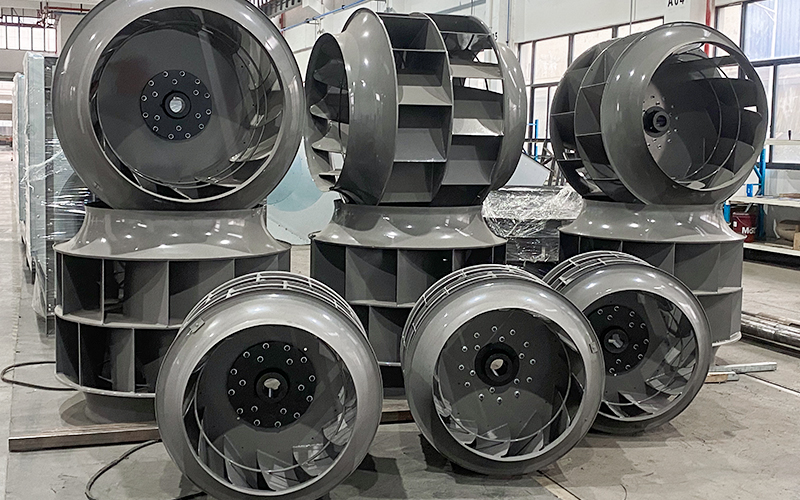
Centrifugal fans play a critical role in supporting industrial processes across various sectors. In industries such as food processing, pharmaceuticals, and chemical plants, these fans ensure that airflow remains steady and reliable, even in demanding environments. Their high efficiency and pressure capabilities make them indispensable in controlling air quality, reducing pollutants, and maintaining optimal working conditions.
Centrifugal fans are essential in maintaining air quality in industrial and commercial environments. By efficiently circulating air, these fans help remove stale air, dust, and fumes, ensuring that workers breathe clean and fresh air. In workplaces such as hospitals, factories, and office buildings, centrifugal fans play a vital role in creating a healthy and comfortable atmosphere.
Centrifugal fans are highly flexible and can be installed in various environments, from small commercial spaces to large industrial complexes. Their customizable design allows for tailored solutions to meet the specific needs of each facility. Custom engineering ensures that the fan’s size, power, and airflow capabilities are optimized for the application, providing a perfect fit for any environment.
Centrifugal fans offer numerous benefits, including high efficiency, durability, and versatility. These fans excel in both industrial and commercial applications, from HVAC systems to air filtration and dust collection. Their ability to improve air quality, reduce energy consumption, and maintain long-term performance makes them a valuable investment. Zhejiang Rongwen Fan Co., Ltd. provides high-quality centrifugal fans designed to meet the unique needs of various industries. With a focus on energy efficiency and reliable operation, their fans contribute significantly to cost savings and sustainability efforts.
A: A centrifugal fan uses a rotating impeller to increase the velocity of air, converting mechanical energy into kinetic energy. It moves air through systems with resistance, making it ideal for applications like ventilation and air filtration.
A: Centrifugal fans offer high efficiency, strong pressure capabilities, and low maintenance. They provide reliable airflow in both industrial and commercial settings, reducing operational costs and enhancing system performance.
A: Centrifugal fans excel in high-pressure applications, making them ideal for systems that involve complex ductwork or filters. They can generate high static pressure, ensuring consistent airflow even under challenging conditions.
A: Centrifugal fans are more efficient in high-pressure environments and can handle resistance better than axial fans. They are quieter and provide more reliable performance in industrial and commercial applications.
A: The design of a centrifugal fan, including impeller shape and motor configuration, plays a crucial role in optimizing airflow. A well-designed fan ensures reduced energy consumption and improved overall system performance.


